




Smaller Cities, Bigger Impact | How Tier 2 & 3 Can Drive EV Growth
26th March 2025, 12:00PM – 01:00PM IST
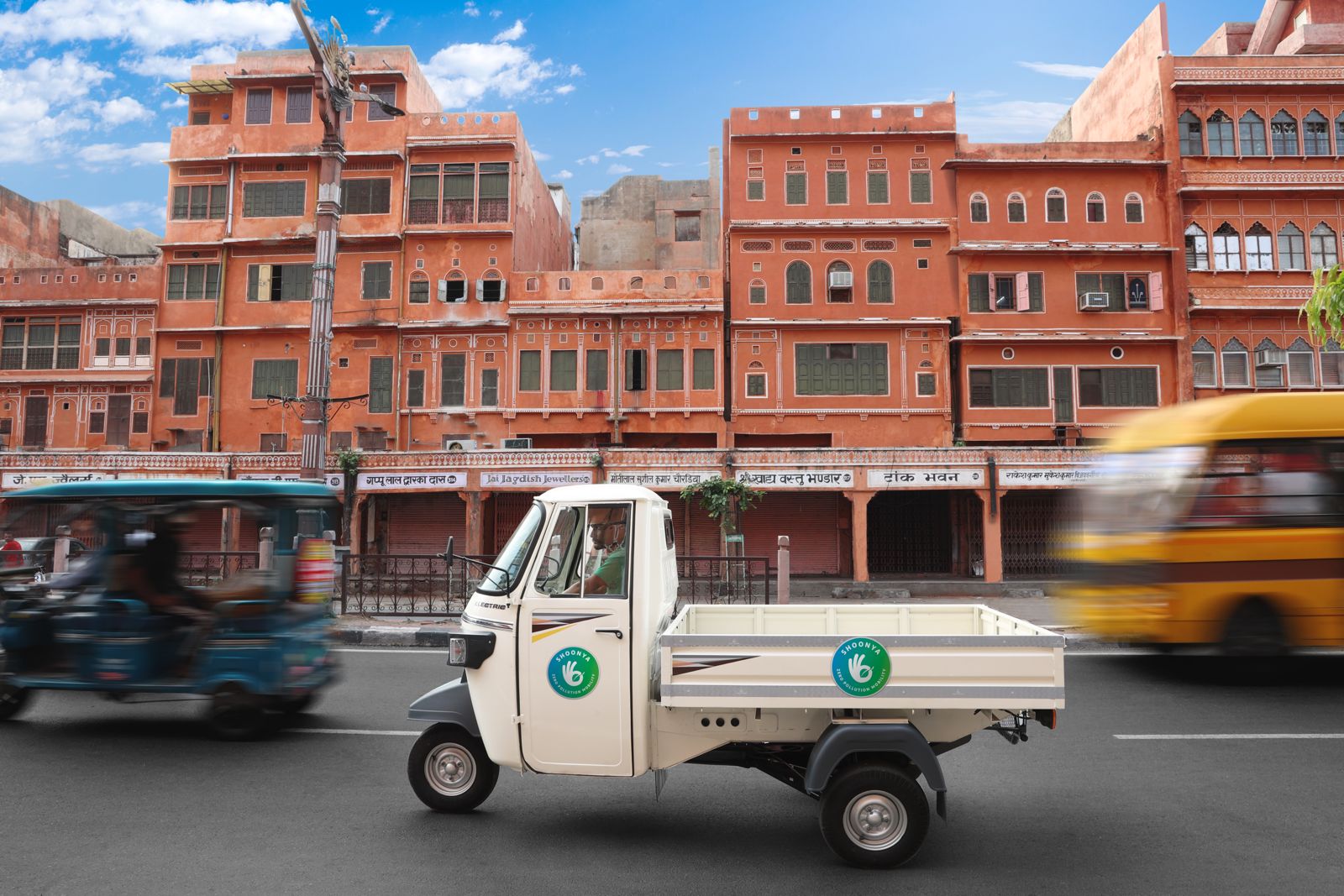
The second episode of the Shoonya Webinar Series -‘Smaller Cities, Bigger Impact – How Tier 2 & 3 Cities Can Drive EV Growth’, brought together industry leaders to explore the growing momentum of electric mobility in India’s smaller cities. Speakers from GIZ India, Zuperia Auto Pvt. Ltd. (ZAPL), Magenta Mobility, JSW MG Motor India, and ChargeZone shared insights on how tier 2 and 3 cities are quickly becoming the new centres of EV growth.
A recurring theme that emerged was that electrification is no longer limited to metropolitan hubs. “A multi-stakeholder led approach at the national, state, and cities level has helped push electrification beyond the metro cities,” noted Amegh Gopinath, India Component Lead at GIZ India, highlighting the success of e-bus initiatives and demand aggregation models in driving change.
This shift is largely powered by increasing affordability. As Ayush Lohia, Director, ZAPL, pointed out, falling battery prices — accounting for nearly 50% of total EV costs have made electric vehicles significantly more accessible, leading to a clear shift in consumer behaviour across smaller markets.
Echoing this trend, Darryl Dias, co-founder of Magenta Mobility, shared that while overall EV penetration remains modest, electric three-wheelers (L5 category) now command a 25% market share in tier 2 and 3 cities, taking significant ground from internal combustion engine vehicles. Neha Jain, Head of EV and Innovation Ecosystem at JSW MG Motor India, added that 50% of MG’s EV sales are now from non-metro cities, demonstrating the effectiveness of government policies, growing awareness, and local engagement strategies.
Infrastructure readiness is crucial to sustaining this momentum. Ravindra Mohan, Director – Strategy and Business at ChargeZone, emphasised that smart site selection and partnerships with commercial spaces such as malls and restaurants are enabling a financially viable expansion of charging networks. “Proper site selection and reliability of power are key to making EVs accessible and convenient across smaller cities,” he noted.
However, speakers acknowledged that challenges remain. From the need for stronger after-sales service networks and skilled labour, to long-term policy certainty for manufacturers, continued collaboration between industry and government will be essential. The discussion also touched on broader priorities like gender inclusivity in transport and the importance of sourcing clean energy for charging networks.
In the rapid-fire round, speakers identified Bhubaneswar, Lucknow, Kanpur, Surat, and Calicut as some of the cities that are best positioned to become fully electric first. Financing was unanimously seen as the top enabler for scaling EV adoption, while speakers envisioned the next phase of the transition prioritising an inclusive transition along with energy self-reliance.
The webinar reaffirmed a key message: the future of India’s clean mobility movement will be shaped not just by its metros, but by its smaller cities –– fast becoming the true frontiers of the country’s EV revolution. Shoonya remains committed to supporting this transformation through collaboration, innovation, and public engagement.
You can revisit the discussion by accessing the full webinar recording here.