




Electrifying E-Commerce: Scaling EV Fleets Across the First, Mid, and Last Mile
25th June 2026 , 12:00PM – 01:00PM IST
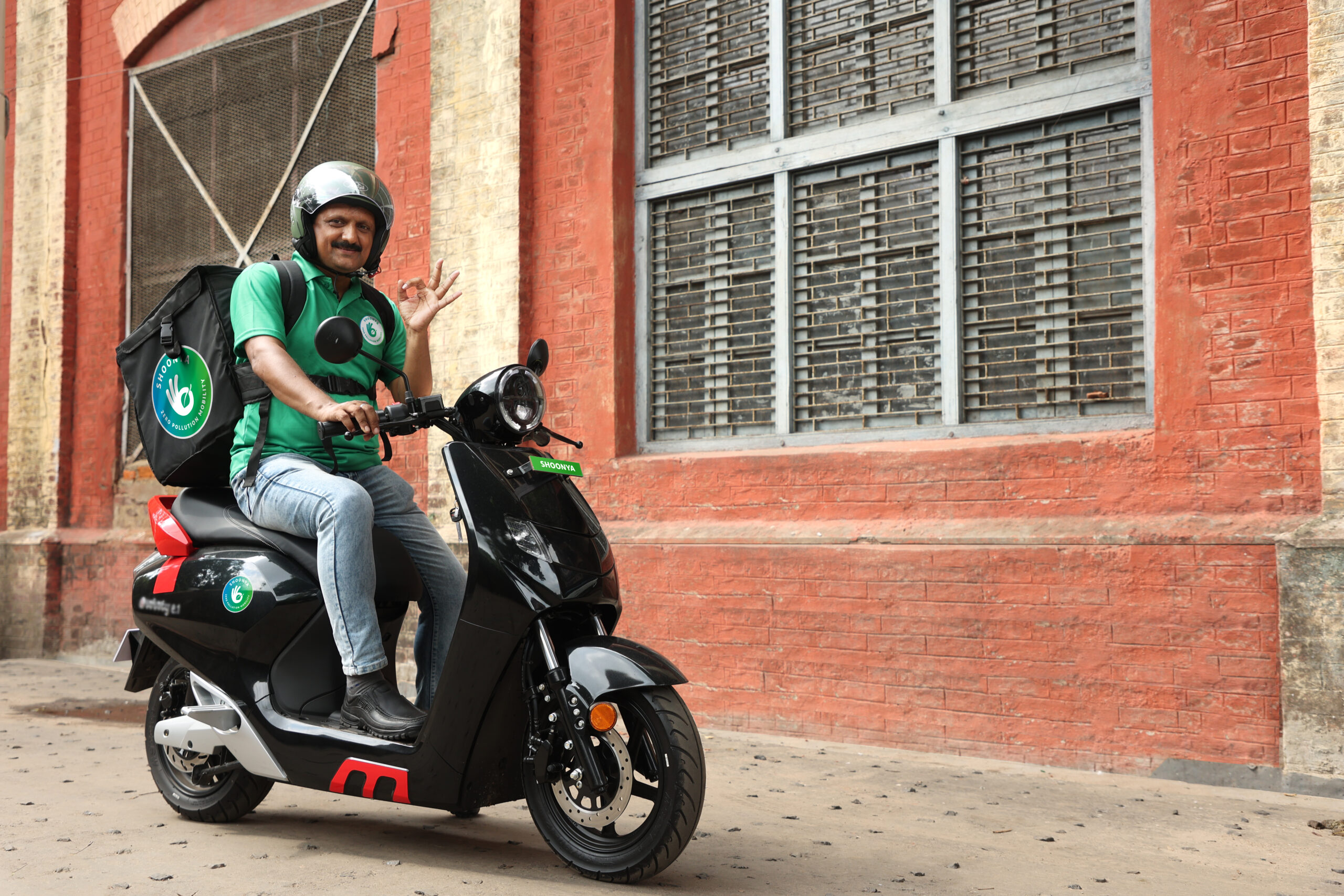
This episode of the Shoonya Webinar Series convened leaders from across India’s e-commerce and electric mobility ecosystem to explore how freight electrification is scaling across first-, mid-, and last-mile operations. Moderated by Chetna Nagpal, Manager, RMI, the discussion highlighted how businesses are moving from early pilots to commercially viable, operationally scalable electric vehicle (EV) deployments across the e-commerce value chain.
Achint Kaul, Vice President, Mobility Transformation and Strategy, Safexpress, reflected on what it takes for small fleet operators to adopt EVs at scale. He emphasised that electrification is best approached as an investment in infrastructure — spanning charging, driver training, and access to finance — rather than simply as a vehicle purchase. He also pointed to reliable slow-charging hubs and early-stage hand-holding for operators as critical enablers. Looking ahead to the mid-mile segment, he said, “by 2030, we presume that a lot of people will move into mid-mile, and then options will also be available.”
Bringing a shared mobility and partnerships lens, Gowri Natarajan, Head, Public Policy and Strategic Partnerships, Yulu, highlighted how accessible, affordable products tailored to gig workers have been the organic catalyst for last-mile adoption. She identified demand-density mapping, route optimisation, knowledge sharing among fleet and business operators, and road safety as markers of a successful partnership. Reflecting on how far the mindset has shifted, she observed that “companies are thinking of EV fleets without giving a thought to ICE vehicles, so I think that’s a great success for me.”
Offering an integrated perspective on fleet operations and charging, Maxson Lewis, Founder and Chairman, Magenta Mobility, described how electric freight has shifted from a push to a pull, driven by two catalysts: a maturing set of vehicles that genuinely work and improved access to finance as lender confidence in the EV ecosystem has grown. Framing the change in business terms, he noted that the case for electrification is now about “green, not on your sustainability report, but green on your balance sheet.”
Reflecting on how far the technology has come, R K Satapathy, National Head, Transportation and 3PL Network, bigbasket, described how maturing products, better financing, and charging investments at bigbasket’s own sites have cleared the early barriers to adoption and electrified a growing share of its last-mile fleet. He noted that “if the products are great, there is no range anxiety.” He also saw a clear opportunity to bring customers into the transition by making the green mile visible at the point of delivery, so that every order becomes a way to support cleaner logistics.
From a demand and financing perspective, Vikash Mishra, Founder and CEO, MoEVing, pointed to improving total cost of ownership (TCO) parity, driven by falling lithium-ion cell prices and consistent central and state policy support, as the biggest catalyst for adoption. Describing how customer behaviour has changed, he noted that “it has moved from a pilot level to scale level already,” with customers now requesting fleets of a hundred vehicles where they once tested a handful. He underscored that long-term, bankable contracts and EV financing on par with diesel-vehicle financing will be critical to the next phase of growth.
The session closed with a shared sense of optimism that e-commerce electrification in India is moving decisively beyond last-mile pilots into first- and mid-mile freight. Panellists agreed that scaling EV fleets now depends not only on the vehicles themselves but also on the surrounding ecosystem: high utilisation, reliable and affordable charging, accessible financing, supportive policy, and growing consumer awareness. As shipment volumes continue to rise, electrifying freight across the value chain offers a clear pathway to lower emissions, cleaner air, and more efficient logistics.
You can revisit the discussion by watching the webinar recording here.